 Dads Journey
Yes, some expecting dads do get pregnancy-like symptoms such as nausea, appetite changes, weight gain, and fatigue. It's called couvade syndrome (sometimes "sympathy pregnancy"), it isn't a formal medical diagnosis, and it usually fades after the baby arrives.
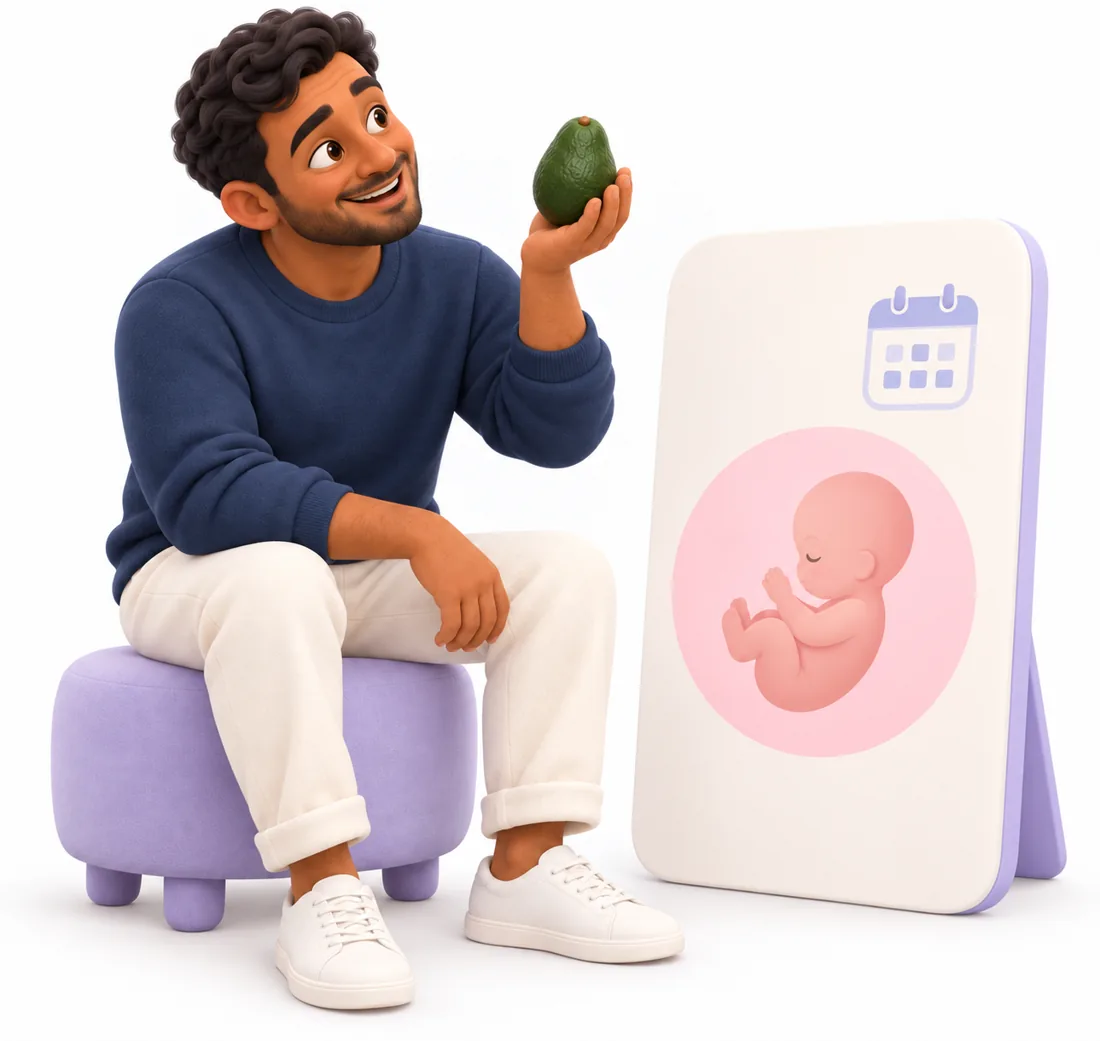
If you've been queasy at breakfast, raiding the fridge at midnight, or gaining "sympathy weight" while your partner is pregnant, you're not imagining it, and you're not alone. Here's what's known, what isn't, and what actually helps.
What Is Couvade Syndrome?
Couvade syndrome is the term for physical or emotional symptoms in an expecting father that mirror pregnancy, with no medical cause that explains them. The name comes from the French verb couver, meaning "to hatch" or "to brood."
Researchers still debate how to define it, and it doesn't appear as a formal diagnosis in the major psychiatric manuals. That's partly why published estimates of how many men experience it vary widely from study to study. Treat any single percentage you see online with caution, including ones that sound very precise.
Where the Term Comes From
The word entered English in the 1800s through anthropologists, who used it to describe customs in various cultures where a father takes to his bed, follows food restrictions, or observes rituals around the time of birth. These customs were reported in several parts of the world and were often understood as a way of acknowledging the father's role and sharing in the birth.
The modern medical use of the word is different: it describes symptoms men report on their own, not a ritual they perform.
Couvade Symptoms by Trimester
Symptoms tend to loosely follow your partner's pregnancy, though every dad is different. This table is a general pattern, not a diagnostic tool.
| Trimester | Commonly reported symptoms in dads |
|---|---|
| First (weeks 1–13) | Nausea, loss of appetite or new food aversions, fatigue, mood swings |
| Second (weeks 14–27) | Cravings, weight gain, headaches, backache, trouble sleeping |
| Third (weeks 28–40) | Anxiety, irritability, restlessness, stomach discomfort, tiredness |
| After birth | Symptoms usually ease; sleep loss from the newborn takes over |
Swipe the table sideways to see more →
Why Does It Happen?
Nobody knows for sure, and it's probably a mix of causes:
- Stress and anxiety. Becoming a father is a huge change. Stress shows up physically: stomach trouble, poor sleep, appetite swings.
- Empathy and identification. Some dads feel so closely connected to their partner's experience that their body seems to follow along.
- Hormones. One small, well-known study of expecting and new fathers found changes in hormones such as prolactin and cortisol, with testosterone lower after birth. That shows an association with fatherhood, not proof that hormones cause couvade symptoms.
- Lifestyle. Shared meals, disrupted sleep, and stress eating alongside your partner can add up, too.
A "Typical Dad" Scenario
The following is a composite, not a real person's quote.
A dad in his early thirties finds himself feeling sick every morning during his partner's first trimester. He's been eating more, sleeping badly, and feeling guilty that he's complaining when she's the one going through the pregnancy. Once he mentions it to her, they both laugh, and he realizes much of it is nerves. Talking about it, walking more, and joining her at appointments helps him feel less on the sidelines.
How to Handle Sympathy Symptoms
- Check it's not something else. If symptoms are severe, persistent, or new, see your doctor. Don't assume everything is couvade.
- Talk about it. Tell your partner. It often brings relief and makes you feel part of the process.
- Look after the basics. Sleep, regular meals, movement, and less alcohol and caffeine all help.
- Keep her symptoms first. It's fine to have your own, but remember who is actually carrying the baby.
- Get involved. Going to appointments and learning what's happening each week helps many dads feel less anxious. Dad's Journey is built to help dads feel involved from pregnancy onward.
- Watch your mood. Ongoing low mood, panic, or hopelessness isn't couvade. Talk to a doctor or mental health professional.
Fact Card: Couvade in 30 Seconds
What: Pregnancy-like symptoms in expecting dads, with no clear medical cause. Name: From French couver, "to hatch." Common signs: Nausea, cravings, weight gain, fatigue, mood swings. Not: A formal diagnosis, a sign you're weak, or a reason to compete with your partner. Usually: Fades after the baby arrives. See a doctor if: Symptoms are severe, last long, or come with low mood.
Frequently Asked Questions
Is it normal that I feel nauseous when my pregnant partner does?
Yes, it's commonly reported and usually harmless. Stress, empathy, and shared routines are the most likely explanations. If it's severe or lingers, check in with your doctor.
Is it normal that I'm gaining weight during my partner's pregnancy?
It's very common. Shared meals, stress eating, and lower activity can all play a part, and some dads label it "sympathy weight." Gentle routines, like walking together, usually help more than dieting.
Is it normal that I have cravings too?
Yes. Many dads report new food cravings or appetite swings during pregnancy. It's usually harmless and tends to settle down after the baby arrives.
Is it normal that I feel more anxious as the due date gets closer?
Yes. Nerves about the birth, money, and the changes ahead are very common in the third trimester. Talking openly, preparing together, and taking care of your sleep can all help. If anxiety is constant or overwhelming, talk to a professional.
Is it normal that my symptoms continue after the baby is born?
For most dads, couvade-type symptoms ease soon after the birth. If low mood, anxiety, or exhaustion keep going, it could be something else, such as paternal postnatal depression, and it's worth speaking to a doctor.
This article is general information and isn't medical advice. If you're concerned about your health, speak to a qualified healthcare professional.